- Published on
Most people come to me with a pretty clear sense of what's wrong.
It might be anxiety that shows up in specific situations: A loss of confidence, a reaction that feels out of character, or just something that's getting in the way of your life right now.
That feeling of this needs to change is real, and it matters. It's also what led me to seek out IEMT myself.
You probably recognize when it happens, and you might even know what sets it off. What's harder to explain is why, despite everything you've tried, it keeps coming back.
The reaction is real. But the source isn't always where it appears.
Here's something that surprises many people: the situation that triggers you isn't always what's actually driving the response.
Emotional reactions are shaped by experience over time. When something significant or overwhelming happens (especially if it wasn't fully processed at the time) it leaves an imprint. And that imprint doesn't stay neatly attached to the original event. It generalizes, so a situation in your life right now might feel familiar in a way that's hard to explain. Not because it's logically similar to something from your past, but because it feels the same. Your nervous system recognizes a pattern and responds to the pattern, not the actual event.These responses can feels completely justified or completely out of proportion.
Why managing it only goes so far:
If you've been working hard to manage your reactions: developing coping strategies, challenging your thinking, trying to push through, you're not doing anything wrong. These things can help. But if the relief doesn't last, it's usually because the response isn't actually being generated by the present situation alone.
You're addressing the problem where it shows up. IEMT works somewhere different.
In our sessions, we shift attention away from the surface-level problem and toward the emotional pattern underneath it. We look at how the feeling is experienced, when it repeats, and when you first remember feeling that way.
This isn't about analyzing your entire history or reconstructing your past. It's a much more direct process than that.
When a current feeling connects to the earliest memory of that same feeling, something shifts. The emotional memory begins to update. The response that once felt necessary starts to lose its intensity, not because you've reframed it or talked yourself out of it, but because something in the system has genuinely changed.
When that happens, the original problem often changes too, without ever being addressed directly.
"But what if I don't know when it started?"
This is one of the most common things people ask me, and it's a good question.
The answer is: we don't actually ask when the problem started. We ask something different: when is the first time you can remember feeling this way?
Even when the answer isn't immediately obvious, the process of exploring the feeling tends to lead somewhere meaningful; often in ways that feel unexpected at first.
That's usually where the shift begins: Not in the story that explains the problem. But in the experience that's been constantly repeating underneath it.
It might be anxiety that shows up in specific situations: A loss of confidence, a reaction that feels out of character, or just something that's getting in the way of your life right now.
That feeling of this needs to change is real, and it matters. It's also what led me to seek out IEMT myself.
You probably recognize when it happens, and you might even know what sets it off. What's harder to explain is why, despite everything you've tried, it keeps coming back.
The reaction is real. But the source isn't always where it appears.
Here's something that surprises many people: the situation that triggers you isn't always what's actually driving the response.
Emotional reactions are shaped by experience over time. When something significant or overwhelming happens (especially if it wasn't fully processed at the time) it leaves an imprint. And that imprint doesn't stay neatly attached to the original event. It generalizes, so a situation in your life right now might feel familiar in a way that's hard to explain. Not because it's logically similar to something from your past, but because it feels the same. Your nervous system recognizes a pattern and responds to the pattern, not the actual event.These responses can feels completely justified or completely out of proportion.
Why managing it only goes so far:
If you've been working hard to manage your reactions: developing coping strategies, challenging your thinking, trying to push through, you're not doing anything wrong. These things can help. But if the relief doesn't last, it's usually because the response isn't actually being generated by the present situation alone.
You're addressing the problem where it shows up. IEMT works somewhere different.
In our sessions, we shift attention away from the surface-level problem and toward the emotional pattern underneath it. We look at how the feeling is experienced, when it repeats, and when you first remember feeling that way.
This isn't about analyzing your entire history or reconstructing your past. It's a much more direct process than that.
When a current feeling connects to the earliest memory of that same feeling, something shifts. The emotional memory begins to update. The response that once felt necessary starts to lose its intensity, not because you've reframed it or talked yourself out of it, but because something in the system has genuinely changed.
When that happens, the original problem often changes too, without ever being addressed directly.
"But what if I don't know when it started?"
This is one of the most common things people ask me, and it's a good question.
The answer is: we don't actually ask when the problem started. We ask something different: when is the first time you can remember feeling this way?
Even when the answer isn't immediately obvious, the process of exploring the feeling tends to lead somewhere meaningful; often in ways that feel unexpected at first.
That's usually where the shift begins: Not in the story that explains the problem. But in the experience that's been constantly repeating underneath it.
- Published on
If you’ve been referred to me, there’s a good chance you’ve heard the term EMDR come up. It’s one of the more widely known approaches that uses eye movements, so naturally, people assume that’s what I do.
I don’t practice Eye Movement Desensitization and Reprocessing.
What I do is Integral Eye Movement Technique, and while both approaches involve eye movements, that’s pretty much where the similarity ends.
Let’s clear this up in a way that actually helps you understand what you’re getting into.
So what’s the difference?
EMDR is a structured psychotherapy approach often used for trauma. It typically involves revisiting specific distressing memories while engaging in bilateral stimulation (like guided eye movements), with the goal of reducing the emotional charge attached to those memories.
IEMT, on the other hand, takes a different route.
Rather than requiring you to relive or retell your story in detail, IEMT focuses on how emotional experiences are stored and repeated internally. It works with patterns, not just events. The goal isn’t to process a story over and over. It’s to change how that story is held in your nervous system.
In other words, less talking, more shifting.
Who is IEMT for?
A lot of the people I work with have already tried other things. That includes EMDR, talk therapy, coaching, or a mix of everything. And they’re not necessarily “failing” at those approaches, they just aren’t getting the level of change they were hoping for.
That’s usually when they find their way here.
IEMT can be especially helpful if you feel like:
What does IEMT actually work on?
1. Specific negative memories.
Not everything that affects us is big, dramatic trauma.
Sometimes it’s:
2. Repetitive emotional states.
Then there are the feelings that keep showing up uninvited.
You know the ones:
Instead of just coping with those emotions, IEMT works to change the internal pattern that keeps recreating them.
3. Emotional imprints across your life
Here’s where it gets really interesting. When something is overwhelming, it doesn’t always get fully processed in the moment. Parts of that experience can stick around and continue influencing how you see yourself, how you react, and what you expect from the world.
That’s why something small in the present can feel weirdly big. It’s not just about now.
IEMT helps untangle that.
What does this mean for you?
It means you don’t have to keep managing the same emotional patterns forever.
It means you don’t have to explain your entire life story for something to shift.
And it means change can happen in a way that feels lighter, faster, and more direct than you might expect.
If you’ve tried other approaches and felt like you were doing everything “right” but still not getting the results you wanted, it might not be you.
It might just be that you haven’t found the right approach yet.
And sometimes, that’s all it takes.
I don’t practice Eye Movement Desensitization and Reprocessing.
What I do is Integral Eye Movement Technique, and while both approaches involve eye movements, that’s pretty much where the similarity ends.
Let’s clear this up in a way that actually helps you understand what you’re getting into.
So what’s the difference?
EMDR is a structured psychotherapy approach often used for trauma. It typically involves revisiting specific distressing memories while engaging in bilateral stimulation (like guided eye movements), with the goal of reducing the emotional charge attached to those memories.
IEMT, on the other hand, takes a different route.
Rather than requiring you to relive or retell your story in detail, IEMT focuses on how emotional experiences are stored and repeated internally. It works with patterns, not just events. The goal isn’t to process a story over and over. It’s to change how that story is held in your nervous system.
In other words, less talking, more shifting.
Who is IEMT for?
A lot of the people I work with have already tried other things. That includes EMDR, talk therapy, coaching, or a mix of everything. And they’re not necessarily “failing” at those approaches, they just aren’t getting the level of change they were hoping for.
That’s usually when they find their way here.
IEMT can be especially helpful if you feel like:
- You’ve talked about something a hundred times and still react the same way
- You understand your patterns logically, but your emotions haven’t caught up
- Certain memories still feel way more intense than they “should”
- You keep experiencing the same emotional cycles (hello frustration, guilt, or sadness on repeat)
What does IEMT actually work on?
1. Specific negative memories.
Not everything that affects us is big, dramatic trauma.
Sometimes it’s:
- Missing your kid’s soccer game
- A breakup that still stings more than you’d like
- A comment someone made years ago that somehow stuck
- An injury or moment that changed how you see yourself
2. Repetitive emotional states.
Then there are the feelings that keep showing up uninvited.
You know the ones:
- Frustration that flares up faster than you’d like
- Anger that lingers
- Guilt that doesn’t match the situation anymore
- Regret, remorse, sadness… the whole “why am I still feeling this?” package
Instead of just coping with those emotions, IEMT works to change the internal pattern that keeps recreating them.
3. Emotional imprints across your life
Here’s where it gets really interesting. When something is overwhelming, it doesn’t always get fully processed in the moment. Parts of that experience can stick around and continue influencing how you see yourself, how you react, and what you expect from the world.
That’s why something small in the present can feel weirdly big. It’s not just about now.
IEMT helps untangle that.
What does this mean for you?
It means you don’t have to keep managing the same emotional patterns forever.
It means you don’t have to explain your entire life story for something to shift.
And it means change can happen in a way that feels lighter, faster, and more direct than you might expect.
If you’ve tried other approaches and felt like you were doing everything “right” but still not getting the results you wanted, it might not be you.
It might just be that you haven’t found the right approach yet.
And sometimes, that’s all it takes.
- Published on
Living with chronic pain is exhausting. Not just physically, but emotionally and socially too. If you or someone you love is struggling, there may be a powerful, science-backed option you haven't yet considered: hypnosis for pain relief.
When most people think about chronic pain, they picture the physical sensation: the ache, the burning, the relentless discomfort. But for the millions of people living with it every day, the pain is only one part of a much larger story.
Over time, the pain becomes familiar. It weaves itself so deeply into daily life that many sufferers can no longer remember what it felt like to be pain-free. And around that pain grows an entire ecosystem of secondary challenges: disrupted sleep, difficulty concentrating, reduced mobility, strained relationships, and poor performance at work.
Perhaps most painfully of all, chronic pain is deeply isolating. It can be hard for those who haven't experienced it to truly understand what it means to live inside a body that hurts constantly.
There is a story that plays out far too often for chronic pain sufferers. It begins with hope: a doctor's appointment, a scan, a referral, and ends in frustration. Years of tests, inconclusive results, and false starts leave people feeling unheard, dismissed, and utterly without direction.
This is not just emotionally difficult. It's physically compounding. Without answers, there is no clear path to treatment. Without treatment, the pain continues to affect every corner of life: from the quality of sleep to the ability to show up fully in relationships and careers.
The chronic pain community is full of some of the most resilient, resourceful people you'll ever meet. They have learned to push through. They adapt, they cope, they manage ; often quietly, and often alone.
But resilience should not mean simply enduring. There are options, and one of the most underrated is hypnosis.
How Does Hypnosis Actually Work for Pain?
Hypnosis does not work by simply switching off the pain or pretending it isn't there. Instead, it works by changing the way the mind perceives and processes pain signals.
Pain is not just a physical event. It is an interpretation made by the brain. Two people can have identical injuries and experience wildly different levels of pain, depending on their emotional state, stress levels, past experiences, and what the brain has learned to expect. Chronic pain, in particular, often involves sensitised pain pathways; the nervous system has, in a sense, learned to amplify the pain signal.
Hypnosis works at the level of the mind-body connection. In a calm, focused hypnotic state, the subconscious mind becomes more receptive to suggestion. A skilled hypnotherapist can use this state to:
Here's something that might surprise you: the very traits that make life with chronic pain so difficult are the same traits that make hypnosis particularly effective.
Chronic pain sufferers tend to be highly focused, internally motivated, and skilled at directing their attention, even under difficult circumstances. These are not small things. These are the exact qualities that allow a person to engage deeply with the hypnotic process and get real results.
The frustration, the sense of being unheard, the longing for relief, all of this becomes fuel. When someone is ready to try a different approach and willing to engage with the process, hypnotherapy has a remarkable track record of making a meaningful difference.
Studies have shown measurable reductions in pain intensity, improved sleep quality, decreased reliance on pain medication, and better overall quality of life among people who have undergone clinical hypnotherapy for chronic pain. It has been used effectively for conditions including fibromyalgia, chronic back pain, irritable bowel syndrome, migraines, arthritis, and more.
Is Hypnosis Right for You?
If you have been living with chronic pain and feel like you have exhausted the conventional options, or if you simply want to explore something that addresses not just the physical, but the psychological and emotional dimensions of pain, hypnosis may be worth considering.
A qualified clinical hypnotherapist will work with you to understand your specific experience of pain, your history, and your goals. Sessions are calm, collaborative, and entirely safe. You remain in control throughout.
You don't have to keep just powering through.
Ready to Find Out More?
If you're tired of managing pain rather than addressing it, and you're curious whether hypnotherapy could help, I'd love to talk. Get in touch today to book a free initial consultation and find out whether this approach is right for you.
When most people think about chronic pain, they picture the physical sensation: the ache, the burning, the relentless discomfort. But for the millions of people living with it every day, the pain is only one part of a much larger story.
Over time, the pain becomes familiar. It weaves itself so deeply into daily life that many sufferers can no longer remember what it felt like to be pain-free. And around that pain grows an entire ecosystem of secondary challenges: disrupted sleep, difficulty concentrating, reduced mobility, strained relationships, and poor performance at work.
Perhaps most painfully of all, chronic pain is deeply isolating. It can be hard for those who haven't experienced it to truly understand what it means to live inside a body that hurts constantly.
There is a story that plays out far too often for chronic pain sufferers. It begins with hope: a doctor's appointment, a scan, a referral, and ends in frustration. Years of tests, inconclusive results, and false starts leave people feeling unheard, dismissed, and utterly without direction.
This is not just emotionally difficult. It's physically compounding. Without answers, there is no clear path to treatment. Without treatment, the pain continues to affect every corner of life: from the quality of sleep to the ability to show up fully in relationships and careers.
The chronic pain community is full of some of the most resilient, resourceful people you'll ever meet. They have learned to push through. They adapt, they cope, they manage ; often quietly, and often alone.
But resilience should not mean simply enduring. There are options, and one of the most underrated is hypnosis.
How Does Hypnosis Actually Work for Pain?
Hypnosis does not work by simply switching off the pain or pretending it isn't there. Instead, it works by changing the way the mind perceives and processes pain signals.
Pain is not just a physical event. It is an interpretation made by the brain. Two people can have identical injuries and experience wildly different levels of pain, depending on their emotional state, stress levels, past experiences, and what the brain has learned to expect. Chronic pain, in particular, often involves sensitised pain pathways; the nervous system has, in a sense, learned to amplify the pain signal.
Hypnosis works at the level of the mind-body connection. In a calm, focused hypnotic state, the subconscious mind becomes more receptive to suggestion. A skilled hypnotherapist can use this state to:
- Reframe the perception of pain — changing how the brain interprets and responds to pain signals
- Reduce the anxiety and fear surrounding pain, which are known to intensify the experience
- Improve sleep, allowing the body and mind to recover more effectively
- Restore a sense of agency and control, which chronic pain sufferers often feel they have lost
- Break the cycle of pain → tension → more pain that keeps many people stuck
Here's something that might surprise you: the very traits that make life with chronic pain so difficult are the same traits that make hypnosis particularly effective.
Chronic pain sufferers tend to be highly focused, internally motivated, and skilled at directing their attention, even under difficult circumstances. These are not small things. These are the exact qualities that allow a person to engage deeply with the hypnotic process and get real results.
The frustration, the sense of being unheard, the longing for relief, all of this becomes fuel. When someone is ready to try a different approach and willing to engage with the process, hypnotherapy has a remarkable track record of making a meaningful difference.
Studies have shown measurable reductions in pain intensity, improved sleep quality, decreased reliance on pain medication, and better overall quality of life among people who have undergone clinical hypnotherapy for chronic pain. It has been used effectively for conditions including fibromyalgia, chronic back pain, irritable bowel syndrome, migraines, arthritis, and more.
Is Hypnosis Right for You?
If you have been living with chronic pain and feel like you have exhausted the conventional options, or if you simply want to explore something that addresses not just the physical, but the psychological and emotional dimensions of pain, hypnosis may be worth considering.
A qualified clinical hypnotherapist will work with you to understand your specific experience of pain, your history, and your goals. Sessions are calm, collaborative, and entirely safe. You remain in control throughout.
You don't have to keep just powering through.
Ready to Find Out More?
If you're tired of managing pain rather than addressing it, and you're curious whether hypnotherapy could help, I'd love to talk. Get in touch today to book a free initial consultation and find out whether this approach is right for you.
- Published on
Most people have complicated (and often inaccurate) ideas about hypnosis. Some have tried it once and concluded it “didn’t work.” Others believe they simply can’t be hypnotized. And for many, lingering fears remain: Will I lose control? Will someone manipulate my mind?
We can thank movies, stage performances, and comedy sketches for many of these misconceptions.
In reality, hypnosis is far more practical, grounded, and empowering than it’s often portrayed.
Can Anyone Be Hypnotized?
A common question is: “Can everyone be hypnotized?”
The answer is simpler than you might expect: if you’re willing and open to the process, you can experience hypnosis.
Most people who seek hypnosis already have a goal in mind, whether it’s reducing stress, breaking a habit, or improving confidence. It’s rare for someone to schedule a consultation or session without at least some level of willingness to engage in the process. That willingness is the key ingredient.
What Does Hypnosis Feel Like?
Contrary to popular belief, hypnosis does not mean losing consciousness or being “put under.”
While each person’s experience is unique, most people report feeling:
Hypnosis is often described as a relaxed state, but a more accurate definition could be a state of focused attention.
Some people do feel deeply relaxed, even sleepy. Others feel surprisingly alert, sometimes more awake than usual. It’s not uncommon for clients to say:
“I was awake the whole time!”
And that’s exactly the point.
This misconception often leads people to believe hypnosis didn’t work for them, when in fact, they were experiencing it correctly all along. A well-guided session doesn’t take away your awareness; it sharpens it.
How Hypnosis Works: The Conscious vs. Subconscious Mind
To understand hypnosis, it helps to understand how the mind operates.
The Power of the Subconscious Mind
Your subconscious mind plays a major role in shaping your behaviors and reactions. It develops primarily during early childhood; roughly from birth to age eight.
During these formative years, you absorb information from your environment and begin forming beliefs about:
Here’s the key insight:
Familiar does not always mean beneficial. It simply means known.
Even experiences that are objectively negative can feel “safe” to the subconscious because they are familiar. This can lead to repeating patterns or habits that your conscious mind no longer wants.
Reprogramming the Mind Through Hypnosis
At first, this realization can feel discouraging, especially when reflecting on difficult childhood experiences. But there’s also good news:
The subconscious mind can be retrained.
Hypnosis provides a way to reprogram limiting beliefs and behaviors, aligning them with your current goals and values.
Think of it like learning any new skill:
At first, it takes conscious effort. But with repetition, it becomes automatic.
The same principle applies to mental habits. With consistent practice, new patterns can replace old ones, allowing you to respond to life in more intentional, empowering ways.
Hypnosis Is a Tool for Change
Hypnosis isn’t about control. It’s about collaboration. You remain aware, engaged, and in control throughout the process.
Rather than something mysterious or intimidating, hypnosis is simply a natural mental state that allows for focused learning and meaningful change.
When approached with openness and the right guidance, it can be a powerful tool for:
We can thank movies, stage performances, and comedy sketches for many of these misconceptions.
In reality, hypnosis is far more practical, grounded, and empowering than it’s often portrayed.
Can Anyone Be Hypnotized?
A common question is: “Can everyone be hypnotized?”
The answer is simpler than you might expect: if you’re willing and open to the process, you can experience hypnosis.
Most people who seek hypnosis already have a goal in mind, whether it’s reducing stress, breaking a habit, or improving confidence. It’s rare for someone to schedule a consultation or session without at least some level of willingness to engage in the process. That willingness is the key ingredient.
What Does Hypnosis Feel Like?
Contrary to popular belief, hypnosis does not mean losing consciousness or being “put under.”
While each person’s experience is unique, most people report feeling:
- Physically relaxed
- Emotionally calm and comfortable
- Mentally alert and aware
Hypnosis is often described as a relaxed state, but a more accurate definition could be a state of focused attention.
Some people do feel deeply relaxed, even sleepy. Others feel surprisingly alert, sometimes more awake than usual. It’s not uncommon for clients to say:
“I was awake the whole time!”
And that’s exactly the point.
This misconception often leads people to believe hypnosis didn’t work for them, when in fact, they were experiencing it correctly all along. A well-guided session doesn’t take away your awareness; it sharpens it.
How Hypnosis Works: The Conscious vs. Subconscious Mind
To understand hypnosis, it helps to understand how the mind operates.
- The conscious mind is analytical, logical, and deliberate.
- The subconscious mind is fast, automatic, and deeply conditioned.
The Power of the Subconscious Mind
Your subconscious mind plays a major role in shaping your behaviors and reactions. It develops primarily during early childhood; roughly from birth to age eight.
During these formative years, you absorb information from your environment and begin forming beliefs about:
- What is safe or unsafe
- What is positive or negative
- How the world works
Here’s the key insight:
Familiar does not always mean beneficial. It simply means known.
Even experiences that are objectively negative can feel “safe” to the subconscious because they are familiar. This can lead to repeating patterns or habits that your conscious mind no longer wants.
Reprogramming the Mind Through Hypnosis
At first, this realization can feel discouraging, especially when reflecting on difficult childhood experiences. But there’s also good news:
The subconscious mind can be retrained.
Hypnosis provides a way to reprogram limiting beliefs and behaviors, aligning them with your current goals and values.
Think of it like learning any new skill:
- Riding a bike
- Driving a car
- Playing an instrument
At first, it takes conscious effort. But with repetition, it becomes automatic.
The same principle applies to mental habits. With consistent practice, new patterns can replace old ones, allowing you to respond to life in more intentional, empowering ways.
Hypnosis Is a Tool for Change
Hypnosis isn’t about control. It’s about collaboration. You remain aware, engaged, and in control throughout the process.
Rather than something mysterious or intimidating, hypnosis is simply a natural mental state that allows for focused learning and meaningful change.
When approached with openness and the right guidance, it can be a powerful tool for:
- Breaking unwanted habits
- Reducing anxiety and stress
- Improving confidence and performance
- Creating lasting behavioral change
- Published on
For people living with chronic pain, discomfort is only part of the story. Over time, pain can become so familiar that many individuals struggle to remember what life felt like without it. However, the impact goes far beyond physical sensations. Chronic pain often disrupts sleep, weakens focus and concentration, and limits mobility, creating a ripple effect across every aspect of daily life.
Many people also experience a deep sense of isolation. Even with access to online forums and support groups, the constant focus on symptoms and negative experiences can unintentionally reinforce feelings of hopelessness rather than relief.
Many people also experience a deep sense of isolation. Even with access to online forums and support groups, the constant focus on symptoms and negative experiences can unintentionally reinforce feelings of hopelessness rather than relief.
The Hidden Burden of Chronic Pain
A common and frustrating reality for many sufferers is the absence of clear answers. Years of medical appointments, scans, and treatments can lead to dead ends and false hope. This uncertainty often leaves individuals feeling stuck, unheard, and unsure of where to turn next.
Living with chronic pain also places strain on emotional and social well-being. Persistent discomfort can interfere with sleep quality, reduce productivity at work, and create tension in relationships. Over time, this combination of physical and emotional stress can become overwhelming.
A common and frustrating reality for many sufferers is the absence of clear answers. Years of medical appointments, scans, and treatments can lead to dead ends and false hope. This uncertainty often leaves individuals feeling stuck, unheard, and unsure of where to turn next.
Living with chronic pain also places strain on emotional and social well-being. Persistent discomfort can interfere with sleep quality, reduce productivity at work, and create tension in relationships. Over time, this combination of physical and emotional stress can become overwhelming.
Why Chronic Pain Sufferers Feel Unheard
One of the most difficult aspects of chronic pain is the feeling of not being fully understood. Because pain is invisible, it is often hard to communicate its severity to others, including healthcare providers. This can lead to frustration and a sense of being dismissed or overlooked.
Despite these challenges, many individuals with chronic pain develop remarkable resilience. They learn to cope, adapt, and push through difficult days. This determination, while admirable, can also mask how much support they truly need.
One of the most difficult aspects of chronic pain is the feeling of not being fully understood. Because pain is invisible, it is often hard to communicate its severity to others, including healthcare providers. This can lead to frustration and a sense of being dismissed or overlooked.
Despite these challenges, many individuals with chronic pain develop remarkable resilience. They learn to cope, adapt, and push through difficult days. This determination, while admirable, can also mask how much support they truly need.
Why Hypnosis Can Be Effective for Chronic Pain
Interestingly, this same resilience makes chronic pain sufferers especially strong candidates for hypnosis. Their ability to focus, endure discomfort, and remain mentally engaged can enhance the effectiveness of hypnotic techniques.
Hypnosis is not a new or experimental approach. In fact, pain relief is one of its most researched and historically documented uses. Records dating back to ancient Egypt, around 1500 BC, describe practices in so-called sleep temples, where individuals sought healing through guided suggestion and focused attention. Patients would enter a trance-like state while priest-physicians offered positive suggestions to influence their experience of illness.
Modern hypnosis uses similar principles, though with refined and evidence-based techniques. For example, eye fixation methods are often used to help individuals enter a relaxed and focused state of awareness.
Interestingly, this same resilience makes chronic pain sufferers especially strong candidates for hypnosis. Their ability to focus, endure discomfort, and remain mentally engaged can enhance the effectiveness of hypnotic techniques.
Hypnosis is not a new or experimental approach. In fact, pain relief is one of its most researched and historically documented uses. Records dating back to ancient Egypt, around 1500 BC, describe practices in so-called sleep temples, where individuals sought healing through guided suggestion and focused attention. Patients would enter a trance-like state while priest-physicians offered positive suggestions to influence their experience of illness.
Modern hypnosis uses similar principles, though with refined and evidence-based techniques. For example, eye fixation methods are often used to help individuals enter a relaxed and focused state of awareness.
How Hypnosis Changes Pain Perception
It is important to understand that hypnosis does not simply remove pain. Instead, it works by changing how the brain interprets pain signals. Pain is not just a physical sensation; it is also shaped by perception, attention, and emotional response.
Through hypnosis, individuals can learn to:
A Different Approach to Pain Relief
For those who feel stuck in a cycle of chronic pain with no clear answers, hypnosis offers a different perspective. Rather than focusing solely on eliminating pain, it empowers individuals to change their relationship with it.
This approach can help reduce suffering, restore a sense of control, and open the door to a more balanced and fulfilling life, even in the presence of ongoing symptoms.
It is important to understand that hypnosis does not simply remove pain. Instead, it works by changing how the brain interprets pain signals. Pain is not just a physical sensation; it is also shaped by perception, attention, and emotional response.
Through hypnosis, individuals can learn to:
- Reduce the intensity of pain sensations
- Shift attention away from discomfort
- Reframe how pain is experienced mentally
- Increase relaxation and improve sleep quality
A Different Approach to Pain Relief
For those who feel stuck in a cycle of chronic pain with no clear answers, hypnosis offers a different perspective. Rather than focusing solely on eliminating pain, it empowers individuals to change their relationship with it.
This approach can help reduce suffering, restore a sense of control, and open the door to a more balanced and fulfilling life, even in the presence of ongoing symptoms.
- Published on
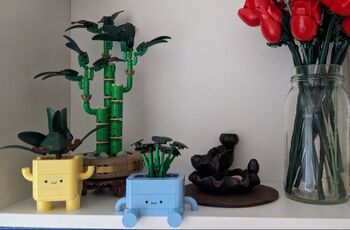
I recently started playing with Legos again.
As a kid, Legos were more my brother's thing, though back then we mostly had generic colored blocks rather than themed sets. We'd build elaborate towns together, invent stories for the characters, and after our first trip to Disney, we even constructed our own Lego Disneyland. None of my kids really caught the Lego bug, but last year my son gave me a flower bouquet set for Mother's Day, and working on it together reminded me how genuinely satisfying it feels to build something with your hands.
This year I got a couple more sets for my birthday. Something fun. Something analog.
I've been craving that more and more lately: time away from screens. So much of my life is spent on the computer that my free time has increasingly become about finding ways to truly unplug: reading, coloring, crafting. For a while, though, I didn't realize that what I thought was "downtime" wasn't actually restoring me at all. I was scrolling. Watching reels. Consuming without creating. My brain was busy but not resting; stimulated, but not nourished.
Sound familiar?
When "Easy" Isn't the Point
Here's what surprised me when I picked up those Lego sets: it wasn't easy. Lego instructions are entirely visual: no words, just photos of each step. And I am very much a multi-modal learner. I want the lecture, the book, and the notes all at once. Give me all the information. So a wordless picture book for assembling a complex structure? A little disorienting.
More than once, I assembled a section incorrectly and had to take it apart and start over.
In the past, that might have derailed me. The frustration could have spiraled: why can't I get this right, this is supposed to be fun, I'm making a mess of a children's toy. (You might be familiar with the inner voice I mean).
But instead, something different happened. I felt a quiet, steady determination. A calm certainty that I could figure it out, and that starting over wasn't a failure. It was just part of the process.
I've been thinking about why that felt different. And I think it comes back to the work I've been doing, both personally and professionally.
Growing at the Edge of Your Comfort Zone
I've been training in a modality called Metaphors of Movement, and working with it has required me to stretch in ways that don't always feel comfortable. Learning new approaches means sitting with confusion, experimenting, getting things slightly wrong, and staying curious anyway.
The same has been true of IEMT (Integral Eye Movement Therapy), another approach I use with clients. Both were developed by Andrew Austin, and he describes the distinction between them in a way I find beautifully clear:
"When life has messed up the person (i.e. stuff happened to them) then IEMT is the model of choice. When it is the person who is messing up life (i.e. they are doing stuff to life) then MoM is a better choice."
IEMT helps process what happened to you. Metaphors of Movement helps shift the patterns you're creating, the subtle, often invisible ways we get in our own way, limit our own lives, or repeat cycles we can't quite see from the inside.
That distinction matters. Because many people arrive at therapy having done significant healing work. They've processed old wounds, made sense of their past, found their footing. And yet something still feels stuck. Life still isn't quite unfolding the way they'd hoped.
That's often where Metaphors of Movement becomes remarkable.
What This Means for You
If you've ever felt like you've done the work: journaled, reflected, maybe even been in therapy before, and still find yourself running into the same walls, it may not be that you haven't healed enough. It may be that the next layer of change isn't about what happened to you. It's about discovering how you've been unconsciously shaping your experience since then.
That's subtle, important work. And it doesn't require you to have it all figured out before it starts helping.
Here's what struck me most in those Lego moments: the set got built. Even while I was confused, even while I backtracked, even while I checked the photos three times trying to figure out which piece went where, the thing came together. Piece by piece, step by step.
Metaphors of Movement works the same way with clients. Even as I'm still deepening my own fluency with it, even when I pause to check my notes mid-session, the process does something. Change happens, often in ways that feel surprisingly gentle and surprisingly lasting.
You don't have to wait until everything is perfectly understood to begin. You just have to be willing to sit with the process, and trust that starting over, or slowing down, or asking for help isn't failure.
It's just part of building something worth keeping.
As a kid, Legos were more my brother's thing, though back then we mostly had generic colored blocks rather than themed sets. We'd build elaborate towns together, invent stories for the characters, and after our first trip to Disney, we even constructed our own Lego Disneyland. None of my kids really caught the Lego bug, but last year my son gave me a flower bouquet set for Mother's Day, and working on it together reminded me how genuinely satisfying it feels to build something with your hands.
This year I got a couple more sets for my birthday. Something fun. Something analog.
I've been craving that more and more lately: time away from screens. So much of my life is spent on the computer that my free time has increasingly become about finding ways to truly unplug: reading, coloring, crafting. For a while, though, I didn't realize that what I thought was "downtime" wasn't actually restoring me at all. I was scrolling. Watching reels. Consuming without creating. My brain was busy but not resting; stimulated, but not nourished.
Sound familiar?
When "Easy" Isn't the Point
Here's what surprised me when I picked up those Lego sets: it wasn't easy. Lego instructions are entirely visual: no words, just photos of each step. And I am very much a multi-modal learner. I want the lecture, the book, and the notes all at once. Give me all the information. So a wordless picture book for assembling a complex structure? A little disorienting.
More than once, I assembled a section incorrectly and had to take it apart and start over.
In the past, that might have derailed me. The frustration could have spiraled: why can't I get this right, this is supposed to be fun, I'm making a mess of a children's toy. (You might be familiar with the inner voice I mean).
But instead, something different happened. I felt a quiet, steady determination. A calm certainty that I could figure it out, and that starting over wasn't a failure. It was just part of the process.
I've been thinking about why that felt different. And I think it comes back to the work I've been doing, both personally and professionally.
Growing at the Edge of Your Comfort Zone
I've been training in a modality called Metaphors of Movement, and working with it has required me to stretch in ways that don't always feel comfortable. Learning new approaches means sitting with confusion, experimenting, getting things slightly wrong, and staying curious anyway.
The same has been true of IEMT (Integral Eye Movement Therapy), another approach I use with clients. Both were developed by Andrew Austin, and he describes the distinction between them in a way I find beautifully clear:
"When life has messed up the person (i.e. stuff happened to them) then IEMT is the model of choice. When it is the person who is messing up life (i.e. they are doing stuff to life) then MoM is a better choice."
IEMT helps process what happened to you. Metaphors of Movement helps shift the patterns you're creating, the subtle, often invisible ways we get in our own way, limit our own lives, or repeat cycles we can't quite see from the inside.
That distinction matters. Because many people arrive at therapy having done significant healing work. They've processed old wounds, made sense of their past, found their footing. And yet something still feels stuck. Life still isn't quite unfolding the way they'd hoped.
That's often where Metaphors of Movement becomes remarkable.
What This Means for You
If you've ever felt like you've done the work: journaled, reflected, maybe even been in therapy before, and still find yourself running into the same walls, it may not be that you haven't healed enough. It may be that the next layer of change isn't about what happened to you. It's about discovering how you've been unconsciously shaping your experience since then.
That's subtle, important work. And it doesn't require you to have it all figured out before it starts helping.
Here's what struck me most in those Lego moments: the set got built. Even while I was confused, even while I backtracked, even while I checked the photos three times trying to figure out which piece went where, the thing came together. Piece by piece, step by step.
Metaphors of Movement works the same way with clients. Even as I'm still deepening my own fluency with it, even when I pause to check my notes mid-session, the process does something. Change happens, often in ways that feel surprisingly gentle and surprisingly lasting.
You don't have to wait until everything is perfectly understood to begin. You just have to be willing to sit with the process, and trust that starting over, or slowing down, or asking for help isn't failure.
It's just part of building something worth keeping.
Curious whether IEMT or Metaphors of Movement might be a fit for what you're working through? I'd love to connect.
- Published on
It's my 46th birthday this week.
I thought about marking it the way people do on the internet, one of those "who's going to tell her?" photo roundups, the kind where you scroll through decades of yourself and cringe, laugh, or both. So I pulled out the old albums and started looking.
What I found surprised me.
The Girl in the Photos
The baby photos and early childhood snapshots are sweet but distant. I can piece together the context: a birthday cake, a Christmas morning, a family holiday, but I can't feel myself inside those moments. That little girl is mine in the way a character in a beloved book is yours: familiar, but separate.
The teenage years are different. My best friend and I were obsessed with taking photos, and those albums are full of laughter so vivid I can practically still hear it.
And then: marriage. Motherhood. Young and fully in it.
Being Someone's Mother for Half My Life
Here's a number that stopped me in my tracks this year: I have officially been someone's mother for half of my life.
Looking at those photos, my daughters with their impossibly chubby cheeks and boisterous smiles, my son, the apple of all of our eyes - there was a deep ache in my chest. The best kind of ache. The kind that means something mattered.
I saw every version of myself in those images: someone's wife, someone's mom, pregnant again (and again, and again), single, then someone else's wife. Divorced again. Life, in all its beautiful, messy iterations.
I saw my brother, young, tall, a genuinely hilarious uncle. I saw my sister, always beside me, always laughing. I honestly don't know how I would have raised my children without her. She is one of the greatest constants of my life.
I saw my own mom, not much older than I am now, kneeling in garden photos and pulling kids onto her lap. What a gift my parents' involvement was. Weekends at Grandpa's house, visits to Grandma's, a steady undercurrent of love and support that my children grew up in.
A Trip Down Memory Lane (Without the Grief)
I was emotional going through those photos.
But here's what was different: it wasn't sadness.
It was joy. Pure, full-bodied joy. The kind that makes you think: I would take all of it back. Every hard, exhausting, beautiful moment of it. What once felt impossibly challenging, when viewed from here, looks like perseverance. Like growth. Like a life actually lived.
And I know exactly why I was able to feel it that way.
The Unexpected Side Effect of IEMT Nobody Talks About
I'm an Integral Eye Movement Therapy (IEMT) practitioner, and I've experienced the work firsthand as a client. Most conversations about IEMT focus on its power to process difficult emotions: grief, frustration, fear, painful memories.
But today I want to talk about a side effect that doesn't get nearly enough airtime.
After doing IEMT work, I can look back at my entire life without judgement.
Not through a lens of regret. Not with the urge to delete photos of an ex or cringe away from old versions of myself. Not with the heavy, complicated grief that so often colours nostalgia.
Instead: gratitude. Appreciation. A genuine, settled love for every version of me that shows up in those photos: the young mom, the woman starting over, the girl who was just figuring it out.
Could I have done some things differently? Of course. But for the first time in a long time, I don't need to armour myself against my own history to answer that honestly.
That is an extraordinary thing. And it gives me real hope for the years ahead; that they can be even more joy-filled, now that I've made peace with the ones behind me.
When Your Identity Gets Outgrown: The Transition Nobody Names
Having my children young meant I arrived at a version of empty nest syndrome earlier than most.
For a season, I had quietly forgotten something important: being a mother is not my identity. It's a part of who I am, one beautiful, defining piece of a much larger whole.
The feelings that arrive when something you've devoted years of energy to becomes self-sustaining (or complete) are rarely discussed openly. But they are so common. I see it regularly with my own clients: not just in parenting transitions, but at graduation, retirement, after a long relationship ends, after a major career chapter closes.
These are the quiet identity earthquakes. The "who am I now?" moments. They deserve far more space in the conversation.
Change Is Slow, and Then All at Once
I was speaking with someone recently about one of the more unexpected shifts I noticed after my own IEMT sessions: I could leave dirty dishes in the sink.
I was laughing as I said: "maybe you can't relate, but if you know, you know" and she understood immediately. Because it's never really about the dishes.
With subconscious modalities, change doesn't always announce itself. At first it can feel like nothing is shifting. And then one day, you pull out a box of old photos on your birthday, and you realize: everything has.
46, and Actually Looking Forward
In many ways, I can't believe that 20 years have passed since some of those memories. It feels like yesterday and like another lifetime, both at once.
But I'm not sitting here wishing I could go back. I'm sitting here grateful for all of it, for right now, and for what's still ahead.
Happy birthday to me. I can't wait to see what comes next.
I thought about marking it the way people do on the internet, one of those "who's going to tell her?" photo roundups, the kind where you scroll through decades of yourself and cringe, laugh, or both. So I pulled out the old albums and started looking.
What I found surprised me.
The Girl in the Photos
The baby photos and early childhood snapshots are sweet but distant. I can piece together the context: a birthday cake, a Christmas morning, a family holiday, but I can't feel myself inside those moments. That little girl is mine in the way a character in a beloved book is yours: familiar, but separate.
The teenage years are different. My best friend and I were obsessed with taking photos, and those albums are full of laughter so vivid I can practically still hear it.
And then: marriage. Motherhood. Young and fully in it.
Being Someone's Mother for Half My Life
Here's a number that stopped me in my tracks this year: I have officially been someone's mother for half of my life.
Looking at those photos, my daughters with their impossibly chubby cheeks and boisterous smiles, my son, the apple of all of our eyes - there was a deep ache in my chest. The best kind of ache. The kind that means something mattered.
I saw every version of myself in those images: someone's wife, someone's mom, pregnant again (and again, and again), single, then someone else's wife. Divorced again. Life, in all its beautiful, messy iterations.
I saw my brother, young, tall, a genuinely hilarious uncle. I saw my sister, always beside me, always laughing. I honestly don't know how I would have raised my children without her. She is one of the greatest constants of my life.
I saw my own mom, not much older than I am now, kneeling in garden photos and pulling kids onto her lap. What a gift my parents' involvement was. Weekends at Grandpa's house, visits to Grandma's, a steady undercurrent of love and support that my children grew up in.
A Trip Down Memory Lane (Without the Grief)
I was emotional going through those photos.
But here's what was different: it wasn't sadness.
It was joy. Pure, full-bodied joy. The kind that makes you think: I would take all of it back. Every hard, exhausting, beautiful moment of it. What once felt impossibly challenging, when viewed from here, looks like perseverance. Like growth. Like a life actually lived.
And I know exactly why I was able to feel it that way.
The Unexpected Side Effect of IEMT Nobody Talks About
I'm an Integral Eye Movement Therapy (IEMT) practitioner, and I've experienced the work firsthand as a client. Most conversations about IEMT focus on its power to process difficult emotions: grief, frustration, fear, painful memories.
But today I want to talk about a side effect that doesn't get nearly enough airtime.
After doing IEMT work, I can look back at my entire life without judgement.
Not through a lens of regret. Not with the urge to delete photos of an ex or cringe away from old versions of myself. Not with the heavy, complicated grief that so often colours nostalgia.
Instead: gratitude. Appreciation. A genuine, settled love for every version of me that shows up in those photos: the young mom, the woman starting over, the girl who was just figuring it out.
Could I have done some things differently? Of course. But for the first time in a long time, I don't need to armour myself against my own history to answer that honestly.
That is an extraordinary thing. And it gives me real hope for the years ahead; that they can be even more joy-filled, now that I've made peace with the ones behind me.
When Your Identity Gets Outgrown: The Transition Nobody Names
Having my children young meant I arrived at a version of empty nest syndrome earlier than most.
For a season, I had quietly forgotten something important: being a mother is not my identity. It's a part of who I am, one beautiful, defining piece of a much larger whole.
The feelings that arrive when something you've devoted years of energy to becomes self-sustaining (or complete) are rarely discussed openly. But they are so common. I see it regularly with my own clients: not just in parenting transitions, but at graduation, retirement, after a long relationship ends, after a major career chapter closes.
These are the quiet identity earthquakes. The "who am I now?" moments. They deserve far more space in the conversation.
Change Is Slow, and Then All at Once
I was speaking with someone recently about one of the more unexpected shifts I noticed after my own IEMT sessions: I could leave dirty dishes in the sink.
I was laughing as I said: "maybe you can't relate, but if you know, you know" and she understood immediately. Because it's never really about the dishes.
With subconscious modalities, change doesn't always announce itself. At first it can feel like nothing is shifting. And then one day, you pull out a box of old photos on your birthday, and you realize: everything has.
46, and Actually Looking Forward
In many ways, I can't believe that 20 years have passed since some of those memories. It feels like yesterday and like another lifetime, both at once.
But I'm not sitting here wishing I could go back. I'm sitting here grateful for all of it, for right now, and for what's still ahead.
Happy birthday to me. I can't wait to see what comes next.
If any of this resonated with you, whether you're navigating a big life transition, struggling to look back without regret, or simply curious about IEMT, I'd love to hear from you. Leave a comment below or reach out directly.
- Published on

If you follow my work, you know I'm always talking about making conscious choices about what we put into our bodies, our homes, and our lives. This February, I decided to apply that same mindful approach to something a little unexpected: my grocery shopping.
Welcome to my February Minimum Food Shopping Challenge.
Why I Started a Pantry Challenge
One of my biggest personal goals this year is building financial wellness. I believe financial health is a pillar of holistic health. Chronic financial stress affects our cortisol levels, our sleep, our digestion, and our relationships. So this year I'm getting intentional about spending: shopping thrift stores, repairing instead of replacing, and using what I already have.
That naturally led me to my pantry.
Like so many of us, I had fallen into the habit of impulse buying at the grocery store: stocking up on ingredients for recipes I'd never get around to making, buying duplicates of things I already had, letting food slowly expire in the back of the cabinet. I used to navigate this kind of scarcity mindset as a young single mom, making do with what was available. Looking back, that season of my life actually taught me a lot about creativity, resourcefulness, and gratitude.
This February, I'm bringing that energy back, not from a place of scarcity, but of a place of mindfullness.
What the Challenge Actually Looks Like
The rules are simple: eat through my pantry and freezer first. Each week I still purchase fresh produce and any true necessities, but I don't buy anything I already have at home or anything that's just for a new recipe I want to try.
Before I started, I took a full inventory of my pantry and freezer and brainstormed a list of meal ideas. I plan for about 6 meals per week rather than 7, because leftovers are a built-in part of mindful, low-waste eating. (Plus, I don't want to cook every day!) As I complete each meal, I cross it off the list, which helps me stay focused on what I have rather than what I think I'm missing.
Real Food, Real Nourishment: A Pantry Meal Example
Here's what I made just this week: I had leftover pot roast in the freezer that needed to be used. Rather than let it go to waste, I simmered it down with a jar of pasta sauce and some fresh mushrooms into a rich, hearty meat sauce. Instead of reaching for dried spaghetti, I used a spaghetti squash sitting on my counter, which added extra fiber, more micronutrients, and made use of something perishable.
The result? A nourishing, whole-food meal made entirely from what I already had.
My February Pantry Challenge Meal Plan
Here's where I stand with about 10 days left in the month. Bolded meals are already done!
Pasta Nights
What This Challenge Is Teaching Me
Beyond saving money, this challenge has been a genuine mindfulness practice. It's made me slow down and appreciate the abundance that was already right in front of me. It's reconnected me to the creativity and resourcefulness that good, nourishing cooking actually requires.
As a health coach, I always encourage my clients to approach food with curiosity rather than rigidity. This challenge is a beautiful example of that. You don't need the trendiest superfoods or a perfectly curated pantry to eat well. You need awareness, intention, and a willingness to work with what you have.
Want to Try Your Own Pantry Challenge?
Here's how to start:
Enjoyed this post? Share it with a friend who could use a little more mindful eating inspiration this winter.
Welcome to my February Minimum Food Shopping Challenge.
Why I Started a Pantry Challenge
One of my biggest personal goals this year is building financial wellness. I believe financial health is a pillar of holistic health. Chronic financial stress affects our cortisol levels, our sleep, our digestion, and our relationships. So this year I'm getting intentional about spending: shopping thrift stores, repairing instead of replacing, and using what I already have.
That naturally led me to my pantry.
Like so many of us, I had fallen into the habit of impulse buying at the grocery store: stocking up on ingredients for recipes I'd never get around to making, buying duplicates of things I already had, letting food slowly expire in the back of the cabinet. I used to navigate this kind of scarcity mindset as a young single mom, making do with what was available. Looking back, that season of my life actually taught me a lot about creativity, resourcefulness, and gratitude.
This February, I'm bringing that energy back, not from a place of scarcity, but of a place of mindfullness.
What the Challenge Actually Looks Like
The rules are simple: eat through my pantry and freezer first. Each week I still purchase fresh produce and any true necessities, but I don't buy anything I already have at home or anything that's just for a new recipe I want to try.
Before I started, I took a full inventory of my pantry and freezer and brainstormed a list of meal ideas. I plan for about 6 meals per week rather than 7, because leftovers are a built-in part of mindful, low-waste eating. (Plus, I don't want to cook every day!) As I complete each meal, I cross it off the list, which helps me stay focused on what I have rather than what I think I'm missing.
Real Food, Real Nourishment: A Pantry Meal Example
Here's what I made just this week: I had leftover pot roast in the freezer that needed to be used. Rather than let it go to waste, I simmered it down with a jar of pasta sauce and some fresh mushrooms into a rich, hearty meat sauce. Instead of reaching for dried spaghetti, I used a spaghetti squash sitting on my counter, which added extra fiber, more micronutrients, and made use of something perishable.
The result? A nourishing, whole-food meal made entirely from what I already had.
My February Pantry Challenge Meal Plan
Here's where I stand with about 10 days left in the month. Bolded meals are already done!
Pasta Nights
- Pasta with pesto sauce
- Pasta with meat sauce (this became my leftover pot roast mentioned above)
- Pasta with garlic and olive oil
- Pasta with meatballs
- Lentils
- Black beans and rice
- Buckwheat Indian-spiced dish
- Rosemary white beans
- Northern beans
- Ground beef something TBD (maybe just meal prepped to go on rice)
- Burger bowls / beef bulgogi bowls
- Cottage/shepherd's pie
- Tacos
- Risotto
- Spaghetti squash
- Baked potatoes
- Potato curry or potato soup
- Steak
- Chicken cutlets
- Lamb meatballs
- Lasagna from the freezer
- Stir fry
- Leftover pot roast from freezer
- Pizza
What This Challenge Is Teaching Me
Beyond saving money, this challenge has been a genuine mindfulness practice. It's made me slow down and appreciate the abundance that was already right in front of me. It's reconnected me to the creativity and resourcefulness that good, nourishing cooking actually requires.
As a health coach, I always encourage my clients to approach food with curiosity rather than rigidity. This challenge is a beautiful example of that. You don't need the trendiest superfoods or a perfectly curated pantry to eat well. You need awareness, intention, and a willingness to work with what you have.
Want to Try Your Own Pantry Challenge?
Here's how to start:
- Take inventory. Go through your pantry, fridge, and freezer and write down everything you have.
- Brainstorm meals. What can you make from what's already there? Aim for 5–6 ideas per week.
- Set your "buy" rules. Fresh produce and true essentials only. Nothing you already own or can substitute.
- Track your progress. Cross meals off as you go — it feels surprisingly satisfying.
- Notice the mindset shifts. What comes up for you around food, abundance, and scarcity?
Enjoyed this post? Share it with a friend who could use a little more mindful eating inspiration this winter.
- Published on
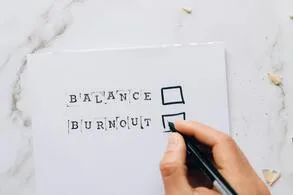
As a professional working with business owners, I've noticed a consistent pattern: achieving work life balance feels impossible. Between managing clients, marketing, payroll, and endless administrative tasks, finding time for yourself seems like a distant dream.
Meanwhile, personal responsibilities pile up at home. For many business owners with families, evenings blur into carpools, homework assistance, meal prep, and household management. Even with outsourcing options like cleaning services and food delivery, the struggle remains real.
The Time Paradox Business Owners Face
"I don't have enough time" is the most common phrase I hear from clients seeking stress relief. But what exactly is time, and why does it constantly elude us?
Scientifically speaking, time is simply the progression of events from past to present to future. We measure its passage, yet we can't see, touch, or taste it. However, Einstein's theory of relativity teaches us something crucial: time is relative, depending entirely on the observer's frame of reference.
Why Time Feels Different
Interestingly, your brain's perception of time shifts based on neurochemistry. When you experience unexpected pleasure, dopamine floods your system, making your internal clock run faster.
Accordingly, short intervals actually seem longer than they are. Yet the dopamine clock hypothesis reveals something counterintuitive: when things are enjoyable, your attention to time decreases. Therefore, intervals feel shorter (which explains why time flies when you're having fun).
We've all experienced this phenomenon. Hours vanish during dinner with loved ones, while a boring meeting drags endlessly. Similarly, during my last flight from the UK, I checked the time repeatedly, only to discover mere minutes had passed.
The Myth of "Making Time"
People often say you make time for what matters. However, this phrase is technically impossible. We can't create time, only measure how we use it.
Here's what I've observed: business owners struggling with work life balance claim they lack time for exercise, healthy cooking, therapy, or meditation. Yet these same individuals somehow find time to scroll social media, answer emails constantly, or binge-watch television.
The difference? Priority and intentionality.
Scheduling Yourself Into Your Own Life
Most business owners already schedule personal appointments: haircuts, medical checkups, gym sessions, family dinners. Nevertheless, these activities represent obligations rather than genuine stress relief.
When was the last time you scheduled purely enjoyable activities? Reading for pleasure? Taking an afternoon nap? Learning something new simply because it interests you? Sitting quietly with your thoughts?
"Those things don't need scheduling," you might protest. Yet the average business owner I work with never does them. Why? Because they "don't have time."
Redefining Productivity for Better Work Life Balance
Business owners excel at making time for productive activities: work tasks, errands, networking events, health appointments. However, they rarely create space for "unproductive" moments: those essential periods of rest, relaxation, and rejuvenation.
Notably, I'm not suggesting these activities for physical transformation or external validation. Instead, I'm advocating for joy, creative thinking, healthy boredom, and genuine restoration.
The One Percent Solution for Stress Relief
Here's the challenge I presented to a client this morning, and now I'm extending it to you: What if you dedicated just 14 minutes and 24 seconds daily to yourself?
This specific number isn't random. It represents exactly one percent of your day. Just one percent of your 24 hours devoted entirely to you.
Importantly, this time isn't for:
Instead, use this time to simply be. Rest without guilt. Enjoy an activity purely for pleasure. Experience something that brings you genuine joy.
Making Work Life Balance Sustainable
For business owners, sustainable stress relief doesn't require dramatic lifestyle overhauls. Rather, it starts with claiming one percent of your day for yourself.
Furthermore, when you consistently prioritize this small investment in yourself, you'll likely notice improved focus, enhanced creativity, and greater resilience in managing your business responsibilities.
Ultimately, achieving work life balance isn't about finding more hours in the day. It's about intentionally using the hours you have to nurture yourself alongside your business.
Your Next Step
Ready to reclaim your work life balance? Start today by blocking 14 minutes and 24 seconds in your calendar, just for you. Label it "personal time" or "stress relief" or simply "my 1%." Then protect it as fiercely as you'd protect your most important client meeting.
What will you do with your one percent today? Share your commitment in the comments below, or contact me to discuss personalized strategies for achieving sustainable work life balance as a business owner.
Meanwhile, personal responsibilities pile up at home. For many business owners with families, evenings blur into carpools, homework assistance, meal prep, and household management. Even with outsourcing options like cleaning services and food delivery, the struggle remains real.
The Time Paradox Business Owners Face
"I don't have enough time" is the most common phrase I hear from clients seeking stress relief. But what exactly is time, and why does it constantly elude us?
Scientifically speaking, time is simply the progression of events from past to present to future. We measure its passage, yet we can't see, touch, or taste it. However, Einstein's theory of relativity teaches us something crucial: time is relative, depending entirely on the observer's frame of reference.
Why Time Feels Different
Interestingly, your brain's perception of time shifts based on neurochemistry. When you experience unexpected pleasure, dopamine floods your system, making your internal clock run faster.
Accordingly, short intervals actually seem longer than they are. Yet the dopamine clock hypothesis reveals something counterintuitive: when things are enjoyable, your attention to time decreases. Therefore, intervals feel shorter (which explains why time flies when you're having fun).
We've all experienced this phenomenon. Hours vanish during dinner with loved ones, while a boring meeting drags endlessly. Similarly, during my last flight from the UK, I checked the time repeatedly, only to discover mere minutes had passed.
The Myth of "Making Time"
People often say you make time for what matters. However, this phrase is technically impossible. We can't create time, only measure how we use it.
Here's what I've observed: business owners struggling with work life balance claim they lack time for exercise, healthy cooking, therapy, or meditation. Yet these same individuals somehow find time to scroll social media, answer emails constantly, or binge-watch television.
The difference? Priority and intentionality.
Scheduling Yourself Into Your Own Life
Most business owners already schedule personal appointments: haircuts, medical checkups, gym sessions, family dinners. Nevertheless, these activities represent obligations rather than genuine stress relief.
When was the last time you scheduled purely enjoyable activities? Reading for pleasure? Taking an afternoon nap? Learning something new simply because it interests you? Sitting quietly with your thoughts?
"Those things don't need scheduling," you might protest. Yet the average business owner I work with never does them. Why? Because they "don't have time."
Redefining Productivity for Better Work Life Balance
Business owners excel at making time for productive activities: work tasks, errands, networking events, health appointments. However, they rarely create space for "unproductive" moments: those essential periods of rest, relaxation, and rejuvenation.
Notably, I'm not suggesting these activities for physical transformation or external validation. Instead, I'm advocating for joy, creative thinking, healthy boredom, and genuine restoration.
The One Percent Solution for Stress Relief
Here's the challenge I presented to a client this morning, and now I'm extending it to you: What if you dedicated just 14 minutes and 24 seconds daily to yourself?
This specific number isn't random. It represents exactly one percent of your day. Just one percent of your 24 hours devoted entirely to you.
Importantly, this time isn't for:
- Completing tasks for others
- Producing work deliverables
- Checking items off your to-do list
- Any obligation whatsoever
Instead, use this time to simply be. Rest without guilt. Enjoy an activity purely for pleasure. Experience something that brings you genuine joy.
Making Work Life Balance Sustainable
For business owners, sustainable stress relief doesn't require dramatic lifestyle overhauls. Rather, it starts with claiming one percent of your day for yourself.
Furthermore, when you consistently prioritize this small investment in yourself, you'll likely notice improved focus, enhanced creativity, and greater resilience in managing your business responsibilities.
Ultimately, achieving work life balance isn't about finding more hours in the day. It's about intentionally using the hours you have to nurture yourself alongside your business.
Your Next Step
Ready to reclaim your work life balance? Start today by blocking 14 minutes and 24 seconds in your calendar, just for you. Label it "personal time" or "stress relief" or simply "my 1%." Then protect it as fiercely as you'd protect your most important client meeting.
What will you do with your one percent today? Share your commitment in the comments below, or contact me to discuss personalized strategies for achieving sustainable work life balance as a business owner.
- Published on
You don’t always say it out loud, but you feel it.
“I don’t feel like myself anymore.”
You still show up. You still train. You still care (maybe more than ever). But something feels off. Your body feels tight instead of free. Your mind is loud when it used to be quiet. The game that once felt instinctive now feels effortful, like you’re thinking one step ahead and one step behind at the same time.
And the worst part?
You can’t point to one clear reason why.
You’re trying. You know you’re trying. But the feedback doesn’t reflect that. Coaches want more. Teammates seem frustrated. Family members ask what’s wrong. So you push harder, analyze more, care more….and somehow perform worse.
That disconnect messes with your head.
Because now it’s not just about performance.
It’s about who you are.
When Performance Stops Being Personal
Here’s what most people get wrong about this phase.
They think you’ve lost confidence.
They think you need a better mindset.
They think you just need to “be aggressive” or “trust yourself.”
But what’s actually happening runs deeper.
At some point, maybe after a bad performance, an injury, a benching, or a stretch where nothing clicked, your focus shifted outward. You stopped playing for you and started playing to avoid disappointment. To avoid criticism. To avoid letting people down.
Now every rep feels evaluated.
Every mistake feels loaded.
Every game feels like a test you might fail.
Your mind isn’t focused on the play. It's scanning for danger.
Don’t mess up.
Don’t look weak.
Don’t prove them right.
That’s not a lack of discipline.
That’s a nervous system in protection mode.
Why Overthinking Kills the Zone (And It’s Not Your Fault)
You know that feeling when you’re “in the zone”?
When everything just flows and your body knows what to do before your mind gets involved?
That state, often called flow, isn’t random. It happens when you’re clear, present, appropriately challenged, and free from internal threat.
Fear breaks that instantly.
Once your attention turns inward, toward worry, self-monitoring, or vague feedback like “you’re not confident enough”, your body tightens. You stop trusting muscle memory. You start trying to consciously control things that were never meant to be controlled.
So you hesitate.
You force.
You overcorrect.
And then come the labels:
The Identity Trap No One Talks About
Here’s the part that really keeps athletes stuck. Those beliefs aren’t logical conclusions. They’re emotional memories.
They’re tied to how you felt when you missed the shot.
When you froze in a big moment.
When you got hurt.
When everything suddenly felt fragile.
Your body remembers that fear, even when your mind wants to move on.
That’s why positive affirmations fall flat. Why “just relax” makes you more tense.
Why confidence feels impossible to force. You’re not arguing with thoughts.
You’re responding to a nervous system that thinks the threat is still happening.
So it does what it knows how to do: protect you (even if that protection costs you the game you love).
The Shift That Changes Everything
Here’s the hopeful part: You don’t have to convince yourself to be confident.
You don’t have to fake belief. You don’t have to “get tougher.”
When fear softens, focus returns naturally.
When focus returns, identity stabilizes.
Not because you tried harder, but because the internal threat signal quieted down.
When that happens, you stop managing performance and start experiencing it again. The zone isn’t something you chase. It’s something you fall back into once fear is no longer running the show.
A Permission You Might Need to Hear
You’re allowed to admit this feels scary.
You’re allowed to want your ease back.
You’re allowed to want to feel like you again.
Struggling doesn’t mean you’ve lost it.
It means something inside you is asking for resolution, not pressure.
And when fear changes, identity often follows.
If this resonated, you’re not alone. And you’re not broken. Sometimes, being understood is the first step back to yourself.
“I don’t feel like myself anymore.”
You still show up. You still train. You still care (maybe more than ever). But something feels off. Your body feels tight instead of free. Your mind is loud when it used to be quiet. The game that once felt instinctive now feels effortful, like you’re thinking one step ahead and one step behind at the same time.
And the worst part?
You can’t point to one clear reason why.
You’re trying. You know you’re trying. But the feedback doesn’t reflect that. Coaches want more. Teammates seem frustrated. Family members ask what’s wrong. So you push harder, analyze more, care more….and somehow perform worse.
That disconnect messes with your head.
Because now it’s not just about performance.
It’s about who you are.
When Performance Stops Being Personal
Here’s what most people get wrong about this phase.
They think you’ve lost confidence.
They think you need a better mindset.
They think you just need to “be aggressive” or “trust yourself.”
But what’s actually happening runs deeper.
At some point, maybe after a bad performance, an injury, a benching, or a stretch where nothing clicked, your focus shifted outward. You stopped playing for you and started playing to avoid disappointment. To avoid criticism. To avoid letting people down.
Now every rep feels evaluated.
Every mistake feels loaded.
Every game feels like a test you might fail.
Your mind isn’t focused on the play. It's scanning for danger.
Don’t mess up.
Don’t look weak.
Don’t prove them right.
That’s not a lack of discipline.
That’s a nervous system in protection mode.
Why Overthinking Kills the Zone (And It’s Not Your Fault)
You know that feeling when you’re “in the zone”?
When everything just flows and your body knows what to do before your mind gets involved?
That state, often called flow, isn’t random. It happens when you’re clear, present, appropriately challenged, and free from internal threat.
Fear breaks that instantly.
Once your attention turns inward, toward worry, self-monitoring, or vague feedback like “you’re not confident enough”, your body tightens. You stop trusting muscle memory. You start trying to consciously control things that were never meant to be controlled.
So you hesitate.
You force.
You overcorrect.
And then come the labels:
- “I’m inconsistent.”
- “I choke under pressure.”
- “I’m not the same athlete anymore.”
The Identity Trap No One Talks About
Here’s the part that really keeps athletes stuck. Those beliefs aren’t logical conclusions. They’re emotional memories.
They’re tied to how you felt when you missed the shot.
When you froze in a big moment.
When you got hurt.
When everything suddenly felt fragile.
Your body remembers that fear, even when your mind wants to move on.
That’s why positive affirmations fall flat. Why “just relax” makes you more tense.
Why confidence feels impossible to force. You’re not arguing with thoughts.
You’re responding to a nervous system that thinks the threat is still happening.
So it does what it knows how to do: protect you (even if that protection costs you the game you love).
The Shift That Changes Everything
Here’s the hopeful part: You don’t have to convince yourself to be confident.
You don’t have to fake belief. You don’t have to “get tougher.”
When fear softens, focus returns naturally.
When focus returns, identity stabilizes.
Not because you tried harder, but because the internal threat signal quieted down.
When that happens, you stop managing performance and start experiencing it again. The zone isn’t something you chase. It’s something you fall back into once fear is no longer running the show.
A Permission You Might Need to Hear
You’re allowed to admit this feels scary.
You’re allowed to want your ease back.
You’re allowed to want to feel like you again.
Struggling doesn’t mean you’ve lost it.
It means something inside you is asking for resolution, not pressure.
And when fear changes, identity often follows.
If this resonated, you’re not alone. And you’re not broken. Sometimes, being understood is the first step back to yourself.